
A private equity firm closes a deal. The investment thesis projects cost savings from consolidating duplicate platforms, retiring redundant infrastructure, and unifying customer data. Six months later, the acquired company still runs its own ERP, its own CRM, and its own cloud accounts. The cost savings remain in the spreadsheet.
Post-acquisition technology modernization fails most often because teams treat it as a single project rather than a set of sequenced workstreams. Gorilla Logic works with enterprise technology teams to structure these workstreams by business impact, dependency order, and risk. This article covers the eight digital engineering workstreams that matter most and how to prioritize them.
Key Takeaways: Post-Acquisition Modernization Workstreams
- Stabilize identity, security, and access controls before starting any platform consolidation or data migration work.
- Application portfolio rationalization should follow a structured scoring model tied directly to deal value drivers.
- Data migration is the single longest and most consistently underestimated workstream across post-acquisition technology integrations.
- Gorilla Logic helps enterprise teams sequence modernization workstreams for lower risk and faster value capture.
- API-first integration layers reduce parallel running costs and accelerate the decommissioning of redundant duplicate systems.
Post-Acquisition Technology Modernization Workstreams to Prioritize
1. Identity, Access, and Security Consolidation
Acquisitions create new attack surfaces. Orphaned admin accounts, inconsistent multifactor authentication policies, and flat networks in the acquired environment all widen your exposure before any system integration begins.
Start by unifying directory services and enforcing single sign-on across both organizations. According to a 2026 BCG analysis, technology typically enables more than 60% of deal value capture, and security failures during integration can cascade across finance, operations, and commercial teams. Review privileged access, endpoint visibility, and incident response readiness in the first 30 days. This workstream gates nearly every other modernization effort.
2. Application Portfolio Rationalization
Two merged organizations will almost certainly run duplicate CRM, ERP, HR, and operational platforms. The instinct is to pick one and migrate. The better approach is to score each application against revenue impact, customer dependency, compliance requirements, and technical debt before making a single consolidation decision.
Rank applications by their effect on the deal thesis, not by familiarity or team preference. Gorilla Logic’s Product and Platform Modernization service helps you build that scoring model and sequence the retirement or consolidation of each application against your integration roadmap.
3. Data Migration and Quality Remediation
Data migration is reliably the most underestimated workstream in post-acquisition integration. Duplicate records, conflicting field definitions, broken interfaces, and manual reconciliation processes all compound when two organizations try to build a combined reporting layer.
Staff this workstream with your strongest engineers, not your most available ones. Every consolidated report, every combined customer view, and every finance close depends on clean, governed data. Start by cataloging data ownership, retention policies, privacy obligations, and known quality issues before scheduling any migration cutover.
4. ERP and Financial System Consolidation
The ERP decision dominates both the budget and the timeline of post-acquisition technology integration. A botched ERP cutover can take down your financial close process, delay reporting to the board, and erode confidence in the deal itself.
Stage the consolidation rather than forcing a single cutover. Map dependencies between finance, procurement, and operations before committing to a target architecture. Parallel running costs compound monthly, so tie each consolidation milestone to a specific decommissioning date and run-rate saving. Review change-of-control clauses in existing ERP agreements early, since license true-ups on combined headcount can add significant unplanned costs.
5. Integration Middleware and API Layer
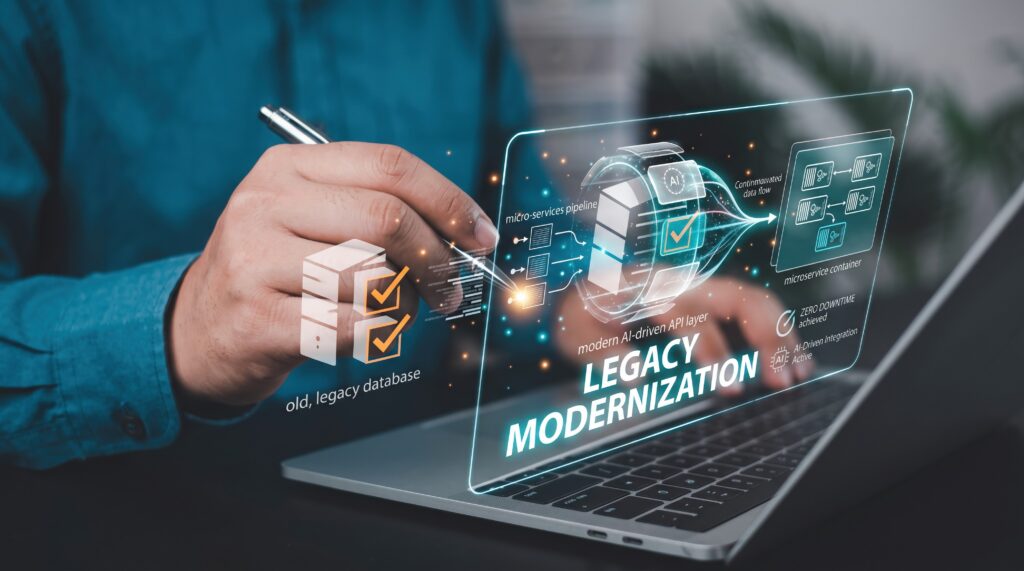
Post-acquisition environments often rely on point-to-point integrations, manual data exports, and batch processes that break under the weight of a combined organization. An API-first integration layer decouples systems so they can be replaced or retired independently without disrupting downstream operations.
Gorilla Logic’s Platform Engineering teams design event-driven, API-first architectures that create a stable integration backbone. This approach reduces the blast radius of any single system migration, shortens the timeline for decommissioning redundant platforms, and creates a reusable foundation for future acquisitions.
6. Infrastructure and Cloud Rationalization
Merged enterprises frequently end up running duplicate cloud accounts, overlapping hosting contracts, and redundant infrastructure that inflates operating costs. Every month both stacks operate is double the infrastructure spend, double the tooling, and double the support burden.
Map cloud accounts, hosting agreements, and infrastructure contracts in the first 30 days. Identify workloads that can be consolidated without re-architecture and separate those requiring deeper modernization work. Track decommissioning dates on a ledger tied to the cost-savings commitments in your deal model.
7. Quality Engineering and Test Automation
Integration introduces regression risk across every connected system. Manual testing cannot keep pace with the volume and velocity of changes happening during a post-acquisition consolidation program. Defects discovered late in the migration cycle cost significantly more to fix and threaten go-live timelines.
Gorilla Logic’s Intelligent Quality Engineering service embeds automation-centric testing throughout the integration lifecycle. AI-assisted test generation covers critical business process paths, surfaces defects earlier, and reduces the late-stage triage that delays deployments. Build your test automation framework before you start migrating, not after.
8. Software Contract and License Rationalization
Change-of-control clauses in enterprise software agreements give existing suppliers a negotiation window that can add six and seven-figure surprises to your integration budget. Overlapping licenses, redundant SaaS subscriptions, and misaligned renewal dates all erode deal value if left unaddressed.
Review every supplier contract for termination rights, data portability, service levels, and renewal dates in the first 60 days. Build a decommissioning ledger that tracks each redundant tool, its retirement date, and the run-rate saving attached. This ledger converts integration progress from activity reporting into measurable financial impact.
How to Sequence Modernization for Faster Post-Acquisition Value
The enterprises that capture the most value from acquisitions are not the ones that modernize the fastest. They are the ones that sequence the work against the deal thesis: stabilize first, consolidate what protects revenue and customers second, then modernize for efficiency and scale.
Gorilla Logic helps enterprise technology teams execute post-acquisition modernization with AI-enabled engineering pods, structured diagnostics, and measurable delivery outcomes. If your organization is navigating a post-acquisition technology integration, start a conversation about how to sequence the workstreams that matter most.
Frequently Asked Questions about 8 Post-Acquisition Modernization Workstreams
What is the first technology workstream to prioritize after an acquisition?
Identity, access, and security consolidation should come first. Unifying directory services, enforcing multifactor authentication, and closing orphaned account gaps protect the combined organization from cyber risk before any system integration begins.
Why is data migration the most underestimated post-acquisition workstream?
Data migration involves duplicate records, conflicting definitions, and manual reconciliation across every business function. Every consolidated report and combined customer view depends on clean data, and optimistic timelines fail by multiples rather than small percentages.
How does application portfolio rationalization reduce integration risk?
Scoring each application against revenue impact, customer dependency, and technical debt prevents teams from making consolidation decisions based on familiarity alone. A structured scoring model tied to the deal thesis keeps the integration aligned with business value drivers.
When should you build an API-first integration layer?
Start designing the integration layer in the first 60 days, before major system migrations begin. An API-first backbone decouples systems so individual platforms can be replaced or retired independently, reducing the blast radius of each migration.
How does Gorilla Logic support post-acquisition modernization?
Gorilla Logic deploys AI-enabled engineering pods that handle platform modernization, quality engineering, and infrastructure rationalization. Structured diagnostics and delivery scorecards give your leadership team measurable progress against integration milestones and value-capture targets.
What is a decommissioning ledger and why does it matter?
A decommissioning ledger tracks every redundant system, its retirement date, and the associated run-rate saving. Reviewing the ledger monthly converts integration progress from activity reporting into measurable financial impact tied directly to the deal model.8